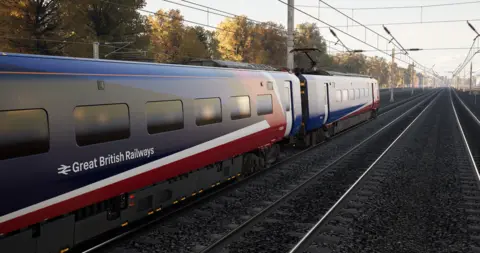

The administration has unveiled the visual identity for the new national rail body, constituting a major move in its agenda to take the railways under nationalisation.


A National Palette and Iconic Emblem
The updated branding features a patriotic design to reflect the Union Flag and will be used on rolling stock, at railway stations, and across its online presence.
Significantly, the symbol is the well-known twin-arrow design currently used by the national rail network and previously introduced in the mid-20th century for the former state operator.

The Introduction Timeline
The rollout of the branding, which was developed internally, is expected to take place over time.
Passengers are expected to start spotting the newly-branded trains throughout the UK rail network from next spring.
During December, the design will be exhibited at key railway stations, such as Glasgow Central.
The Journey to Public Ownership
The proposed law, which will pave the way the formation of GBR, is presently progressing through the House of Commons.
The government has argued it is renationalising the railways so the network is "owned by the public, delivering for the people, not for profit."
The new body will bring the running of passenger trains and infrastructure under a unified structure.
The department has said it will combine 17 various bodies and "cut through the notorious red tape and poor accountability that continues to plague the railways."
Digital Features and Current Ownership
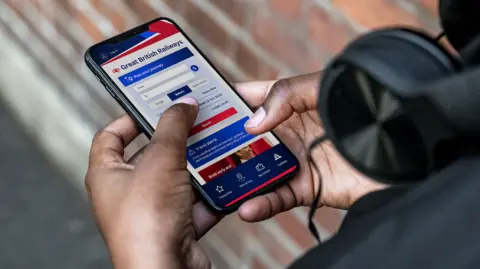
The rollout of Great British Railways will also include a new app, which will enable customers to check train times and purchase tickets absent booking fees.
Disabled travellers will also be have the option to use the application to request assistance.
Several franchises had already been taken into public control under the previous government, such as LNER.
There are currently 7 operating companies now in public hands, covering about a third of passenger trips.
In the last twelve months, Greater Anglia have been brought into public ownership, with more expected to be added in 2026.
Ministerial and Sector Comments
"This is more than a cosmetic change," commented the Transport Secretary. It represents "a new railway, leaving behind the problems of the previous system and dedicated completely on providing a proper public service."
Industry leaders have welcomed the government's commitment to bettering services.
"The industry will carry on to collaborate with relevant bodies to support a successful handover to Great British Railways," a representative said.